


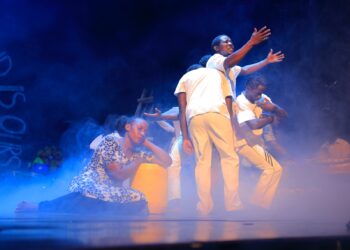
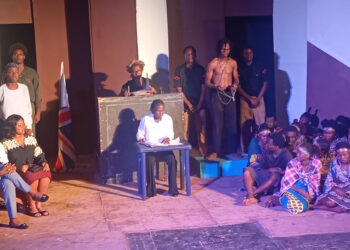
Dimpho and the Catfish, written and directed by Jane Mpholo-Mehlape is a modern cautionary tale about the dangers children are exposed to in the fast-growing digital world and the consequences of raising children on smartphones.
Cautionary tales about children’s safety are as old as time itself. Every culture in the world has a story warning kids about the big bad wolf who they should avoid at all costs. From western tales like Little Red Riding Hood, Hansel and Gretel, to African tales such as Ananse and the Pot of Wisdom, the Cheetah and the Lazy Hunter, and Nsangi and the Ogre, our history is populated by chilling tales to keep children safe. However, as we move into the digital era, tales like these are barely existent to reflect the times.
With the advancement of technology, the world has become an even smaller and scarier place and kidnapping of children is much easier than before. Warning children not to talk to a stranger offering them treats in the street is not enough anymore. The monsters and wolves have moved online and are now only a click away. They no longer hide behind big trees and bushes or try to imitate the children’s parents or caregivers. Instead, they now hide behind fake usernames, filters and curated personas that lure children so easily.

In this play, a young and curious Dimpho, finally receives her first smartphone after years of pestering her mother for one. She is thrilled to join social media where she connects with her friends and even makes new ones. Unfortunately, Dimpho’s joy and excitement quickly turns into a horrifying experience when she connects with a stranger online and her safety is compromised. Her mother, Madimpho, who had become dependent on the smartphone to keep her daughter occupied while she attends to her own responsibilities is unaware of the trouble her Dimpho is in. The playful but deeply engaging production explores themes of technology, children’s safety and mother-child relationships that resonates with both children and adults.
“There are many cases in South Africa where young people are bullied, go missing or are harmed after meeting strangers online. We keep warning each other about the dangers of social media, but we often forget to include children in those conversations.” Says Jane Mpholo-Mehlape.
“As a mother myself, I am constantly aware of the dangers our children are exposed to through these smart phones and other internet devices. Children’s entertainment is not what it used to be and I have to be vigilant when it comes to what my children consume online. I recently found out that my daughter had been watching a Youtube channel that teaches kids about the grueling process of childbirth, but it is so easy to miss the contents of the show because it is presented as a cartoon” she adds.

Dimpho and the Catfish is Mehlape’s first children’s theatre production which is designed for audiences aged ten and above. After more than a decade writing and directing plays about more adult focused themes especially domestic violence, the playwright and director felt the need to start creating stories for children to fill the gap because it is easier to start with children who can then grow up to become socially aware adults.
Though it is a children’s play, it is performed by adults, the youngest one (Dimpho) being 18 years old. According to the director, working with children takes a lot more time and care and it has its own unique challenges. She however plans to put on children’s theatre that is created by children and for the children.
The multilingual play which combines English, Sesotho, Afrikaans and Xhosa premieres during the 25th anniversary of the Vrystaat Kunstefees from 16 to 19 July 2025 on the University of the Free State grounds. Don’t miss out on this family-friendly show with a vibrant blend of performance, music and storytelling that speaks directly to the challenges of growing up in a digital world.
Dimpho and the Catfish is not only an opportunity to educate your little ones about online stranger danger but also a chance to bond and share with them in real life.



Discussion about this post